


When you struggle to stay consistent, resist temptation, or follow through on your goals, it’s not a sign of weakness — it’s a signal that your self-discipline muscle needs training. Self-discipline is not something you either have or don’t have. It is a skill, a habit, and a daily practice that anyone can develop with the right mindset and strategies.
The combination of mental clarity, structured routines, and emotional resilience creates a powerful foundation for lasting success. Self-discipline is the bridge between where you are and where you want to be. Without it, even the best plans fall apart. With it, even the smallest steps lead to extraordinary outcomes.
This post will give you the true meaning of self-discipline and the most effective self-discipline tips for daily life. It explains how it impacts your relationships, career, health, and spirit. You will also understand why you may be struggling with discipline and what you can do about it, starting today.
What Does Self-Discipline Really Mean?
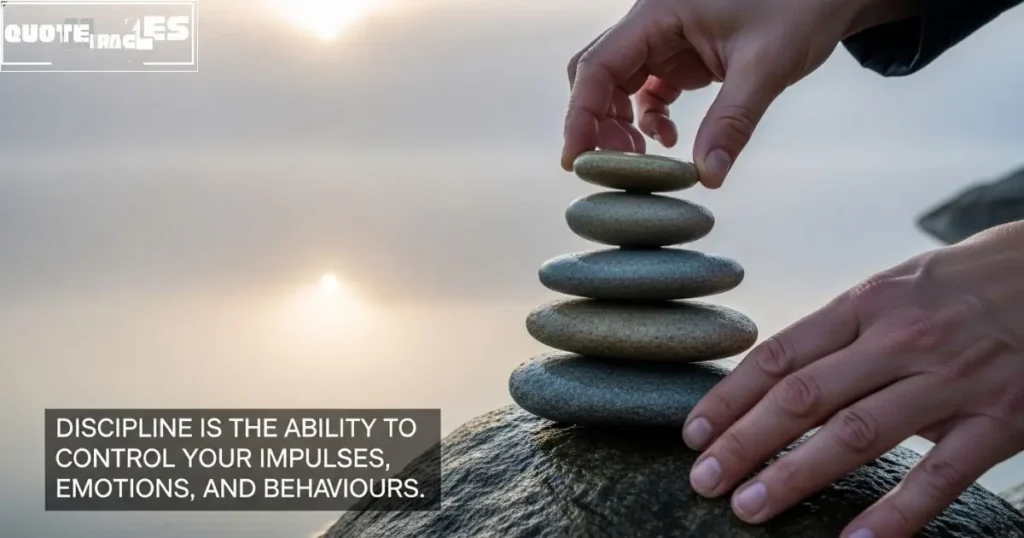
Self-discipline is the ability to control your impulses, emotions, and behaviours to stay aligned with your long-term goals. It is not about being harsh on yourself — it is about being consistent, focused, and intentional in how you live each day.
Core Meaning of Self-Discipline:
- Focus + Consistency: Doing what needs to be done, even when you don’t feel like it.
- Delayed Gratification: Choosing long-term reward over short-term comfort.
- Inner Strength: Building the mental and emotional resilience to push through challenges.
It also serves as a reminder that progress is rarely dramatic. Know that your current struggles are setting you up for a future of success and fulfilment.
Breaking Down Self-Discipline in Psychology
Self-discipline tips combine several psychological principles to help you build a stable and productive life while trusting your own inner capacity for growth.
- Willpower: Willpower is the foundation of discipline. It is the mental energy that helps you resist distractions and make better choices even under pressure.
- Habits and Routines: Habits reduce decision fatigue. When positive behaviours become automatic, discipline becomes effortless. Routines anchor discipline into your daily life.
- The Power of Identity and Environment: Your environment shapes your behaviour more than motivation does. Designing spaces and routines that support your goals makes discipline far easier to sustain.
- Root Principle: Compound Growth: Small, consistent actions compound over time. A 1% improvement each day leads to 37x growth over one year. Discipline is the engine of this compounding effect.
The Spiritual Side of Self-Discipline
Self-discipline is not just a productivity tool — it carries deep spiritual significance across traditions. It tells you that mastering yourself is the highest form of inner work.
Key Spiritual Messages:
- Inner Mastery: True freedom comes from mastering your thoughts and actions.
- Trust the Process: Spiritual growth requires patience and steady, consistent effort.
- Stay Grounded: A disciplined mind creates inner peace and clarity during turbulent times.
- Personal Evolution: Every act of discipline is a step toward becoming your highest self.
- Divine Alignment: Living with discipline aligns your actions with your deeper purpose.
These self-discipline tips encourage you to treat self-discipline not as a punishment but as a sacred act of respect for your own potential.
Why You Keep Struggling with Self-Discipline
Repeatedly failing to stay disciplined is a sign that you are fighting your habits and environment rather than working with them. Understanding why you struggle is the first step to change.

Common Reasons You Lack Self-Discipline:
- Your goals are unclear or too vague to act on.
- You rely on motivation rather than building systems.
- Your environment is full of temptations and distractions.
- You have not yet built a consistent daily routine.
- You are being too hard on yourself when you slip up.
These patterns appear to remind you that discipline is not about perfection — it is about returning to your path again and again, no matter how many times you drift.
Self-Discipline Tips for Love & Relationships
Self-discipline tips play a powerful role in love, emphasising patience, healthy boundaries, and emotional maturity. Strong relationships require disciplined communication and consistent effort.
If you’re in a relationship:
Discipline in relationships means choosing understanding over reaction, listening over defending, and long-term harmony over short-term arguments. It is a reminder to avoid impulsive words, be emotionally available, and consistently invest in your bond.
If you’re single:
Self-discipline means working on yourself rather than seeking external validation. The universe is preparing you for a meaningful relationship, but it is supporting you to build your emotional strength and self-worth first.
Self-Discipline and Personal Growth
Self-discipline in your personal development journey symbolises commitment and long-term transformation. It reveals that growth is not an accident — it is a choice you make repeatedly.

- Struggle → Strength: Every moment of resistance you push through builds your mental toughness.
- Consistency → Results: Showing up daily, even imperfectly, creates compounding progress.
- Patience: The greatest results always arrive later than expected — discipline keeps you in the game.
These self-discipline tips remind you that personal growth journeys are about inner transformation before outer results.
Career & Financial Self-Discipline Tips
Self-discipline is the foundation of career success and financial stability. It is a sign to stay focused on discipline, planning, and patience.
- Work with intention: Your focused effort is building future success.
- Build long-term systems: Create stable career habits and sustainable professional goals.
- Financial discipline: Manage your money with purpose and avoid impulse spending.
- Budgeting: Track your income and expenses carefully every month.
- Investing: Think about long-term wealth building rather than quick returns.
- Patience: Your career success is coming, but it requires consistent daily effort.
Health & Well-Being Self-Discipline Tips
Self-discipline tips also play a central role in your physical health and mental peace. It reminds you that true success includes a healthy body and a calm, focused mind.
- Maintain balance between work, rest, and personal time.
- Focus on mental and physical health with equal commitment.
- Practice mindfulness, meditation, or quiet reflection daily.
- Build sleep, nutrition, and exercise routines you can sustain for life.
Top Self-Discipline Tips: What You Should Do Starting Today
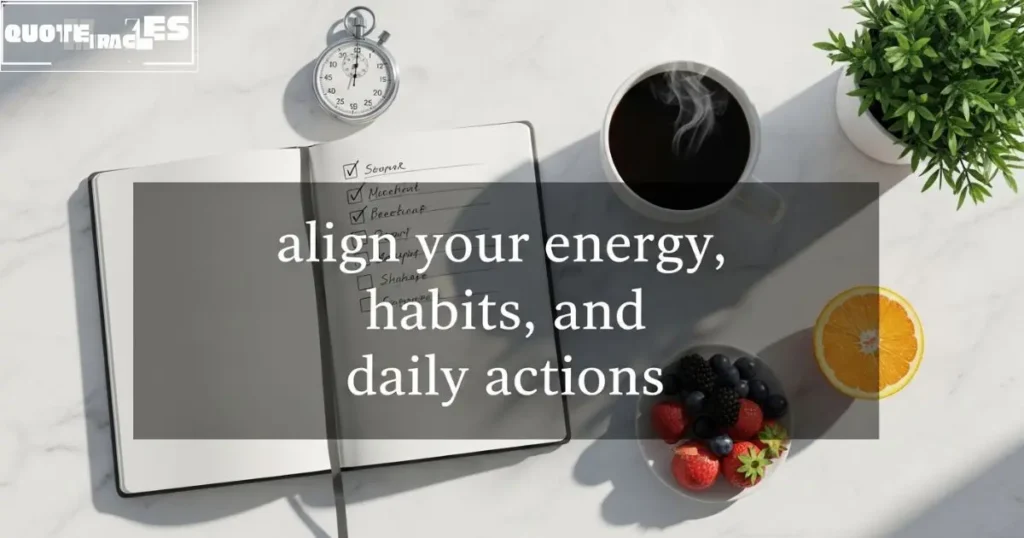
These self-discipline tips are a call to align your energy, habits, and daily actions with your long-term goals. They remind you that your journey is on track, but consistency and focus are essential.
What You Should Do:
- Start Small: Build discipline with tiny habits before attempting large lifestyle changes.
- Design Your Environment: Remove temptations and create spaces that support your goals.
- Use Time Blocking: Schedule your priorities before distractions fill your day.
- Track Your Progress: Keep a journal or habit tracker to stay accountable.
- Forgive Yourself Quickly: A missed day is not a failure — returning to the habit is what matters.
- Anchor Habits to Existing Routines: Attach new habits to things you already do daily.
- Visualise Your Future Self: Regularly remind yourself of who you are becoming through your choices.
These self-discipline tips encourage you to stay calm and aligned, because small, steady actions are building something powerful and lasting.
Self-Discipline Affirmations
These affirmations help you connect with the inner strength, focus, and consistency that true self-discipline represents.
- I am in full control of my thoughts, habits, and choices.
- I choose long-term success over short-term comfort.
- Every disciplined action brings me closer to my goals.
- I stay focused, grounded, and committed to my purpose.
- My consistent effort is creating powerful results in my life.
- I attract clarity, energy, and motivation every single day.
- I am becoming the best version of myself through daily discipline.
Biblical Meaning of Self-Discipline
Self-discipline carries strong biblical symbolism related to spiritual strength and godly living. It reflects the importance of mastering yourself as an act of faith and purpose.

- Proverbs 25:28 → “A person without self-discipline is like a city with broken walls — vulnerable and unprotected“.
- Galatians 5:22-23 → “Self-control is listed as a fruit of the Spirit, representing a life aligned with higher purpose“.
Self-discipline tips in a biblical sense are a reminder of divine order — that a structured, intentional life is an act of stewardship over the gifts and time you have been given.
Self-Discipline in Family Life and Parenting
Self-discipline extends deeply into family relationships and parenting. It offers the understanding that disciplined parents raise emotionally stable, confident children.
- Modelling behaviour: Children learn discipline by watching consistent, calm adults.
- Emotional regulation: Disciplined parents respond rather than react during stressful moments.
- Nurturing structure: Routines and boundaries create safety and security for the whole family.
This reflects a phase of emotional grounding and intentional leadership within the home.
The Hidden Power of Self-Discipline
The deeper truth about self-discipline is that it is a form of self-love — a commitment to your own potential that no one else can give you.
- Freedom through structure: Disciplined routines actually create more freedom, not less.
- Challenges build character: Every temptation you overcome makes the next one easier to resist.
- Invisible compounding: Most of your discipline’s results are invisible until one day they are undeniable.
This reminds you that everything you are building through daily discipline is unfolding perfectly, even when the results are not yet visible.
You Might Be Interested In:
Final Thoughts
Self-discipline is your most powerful tool for creating the life you truly want. It reminds you that you are capable of extraordinary things when you commit to small, consistent, intentional actions every single day. Whether it is your relationships, career, health, or personal growth — staying grounded and trusting the process of discipline will transform every area of your life.
The life lesson of self-discipline tips can be summed up simply: patience, consistency, and inner strength lead to lasting success. Even when results feel slow, you are building a foundation that will support everything you dream of. Every challenge is preparing you. Every disciplined choice is compounding. Your future self is counting on what you do today.
FAQs
What are the best self-discipline tips for beginners?
Start with small, manageable habits and build consistency before attempting big lifestyle changes. Design your environment to remove distractions and use habit tracking to stay accountable.
Why do I keep failing at self-discipline?
You may be relying on motivation instead of systems. Motivation fades — habits and routines are what keep you consistent even on low-energy days.
How long does it take to build self-discipline?
Research suggests it takes anywhere from 21 to 66 days to form a habit, depending on complexity. The key is showing up consistently, not perfectly.
Is self-discipline the same as willpower?
They are related but different. Willpower is a short-term mental energy, while self-discipline is a long-term skill built through habits, routines, and environmental design.
Can self-discipline tips improve relationships?
Absolutely. Disciplined emotional regulation, consistent communication, and keeping your commitments all deepen trust and strengthen bonds in every kind of relationship.